

Summary: Practical Steps That Protect Independence
For many seniors in Pennsylvania and New Jersey, remaining at home represents comfort, familiarity, and control. But independence does not happen by accident. Safely aging at home requires preparation, awareness, and periodic reassessment.
This room-by-room checklist explains aging in place safely for seniors in Pennsylvania and New Jersey and outlines the practical steps that support safe, independent living at home.
When combined with thoughtful legal and asset planning, these steps can support long-term independence while reducing preventable risks.
Why Staying Safe at Home Requires Planning
According to the Centers for Disease Control and Prevention (CDC), one in four adults age 65 and older experiences a fall each year in the United States. Many of those falls occur inside the home.
Aging in place safely is not just about installing grab bars or a chair lift. It involves evaluating mobility, lighting, layout, and emergency preparedness, and adjusting this evaluation as needs change. Families who approach senior home safety as an ongoing process are often better positioned to prevent avoidable injuries.
Entryways and Exterior Areas
Safety begins even before you or your loved one step inside.
Review the following:
- Is outdoor lighting bright and consistent?
- Are steps equipped with sturdy handrails?
- Are walkways even and free of cracks or clutter?
- Are thresholds low and easy to navigate?
Motion-sensor lighting and clearly defined walking paths can significantly improve safety for older adults.
Living Rooms and Common Areas
Living spaces should allow for steady movement and comfortable transitions from sitting to standing and moving freely.
Home safety checklist:
- Remove loose rugs or secure them with non-slip backing
- Keep electrical cords away from walking paths
- Arrange furniture to allow wide, unobstructed walkways
- Choose chairs with firm cushions and supportive armrests
Mobility aids such as walkers or canes require clear pathways to function properly. Tight corners, loose rugs, and crowded furniture can interfere with balance and limit safe movement. Creating wide, unobstructed paths throughout the home helps seniors move confidently and reduces the risk of trips or sudden instability.
Kitchen Safety Considerations
Kitchens combine sharp tools, heat, and moisture, making them high-risk areas. Everyday tasks like carrying hot pans, bending to access cabinets, or navigating around open dishwasher doors can increase the likelihood of falls or burns. Simple adjustments to storage, lighting, and layout can make cooking and meal preparation safer and more manageable.
Consider these precautions:
- Store everyday items at waist level
- Use non-slip mats near sinks
- Install lever-style handles for easier grip
- Ensure bright lighting over food preparation areas
Simple adjustments can make daily routines safer without limiting independence.
Bathroom Modifications for Safe Aging at Home
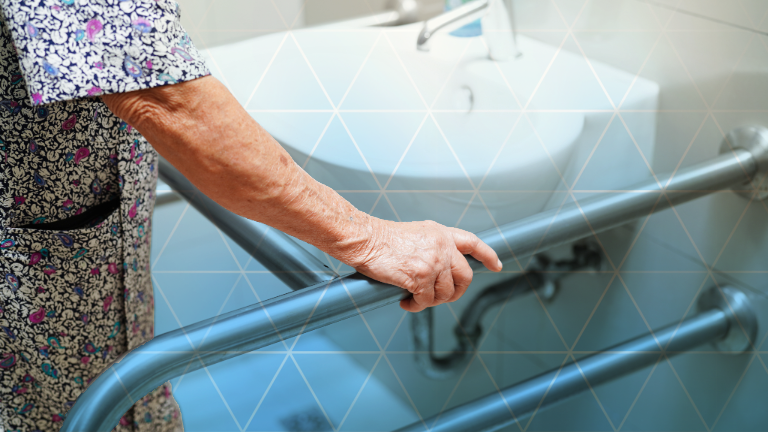
Bathrooms are among the most common locations for falls. Smooth tile floors, changes in elevation between the tub and floor, and limited space to steady oneself all contribute to higher injury rates. Proactive safety modifications can make daily routines significantly safer.
Aging safely at home may include:
- Installing grab bars near toilets and inside showers
- Using textured or non-slip flooring
- Adding a shower bench or handheld showerhead
- Raising toilet seats if balance is an issue
These modifications often improve balance right away, making everyday tasks feel safer and less stressful. That added sense of security can go a long way toward preserving independence.
Bedroom Safety
Bedrooms should support safe movement during both day and night. Because this is where seniors begin and end each day, ensuring the space feels secure can greatly reduce anxiety and the risk of injury.
Review:
- Clear walking paths between the bed and bathroom
- Accessible light switches or bedside lamps
- Nightlights in hallways
- Emergency call systems for added reassurance
Even small changes can improve confidence for seniors living alone.
Stairs and Hallways
For homes with multiple levels, stair safety is critical. Because stairs demand both strength and balance, they often become more challenging as mobility changes. Proactive adjustments can help seniors move between levels with greater confidence and security.
To do:
- Secure handrails on both sides
- Install bright overhead lighting
- Use contrasting stair-edge markings
- Avoid carrying heavy items while climbing stairs
In some homes, stair lifts may become appropriate as mobility changes. Adding this support can allow seniors to continue living comfortably in a multi-level home without feeling restricted to one floor.
Legal Planning Is Part of Aging in Place Safety
Physical home adjustments are only part of the equation. Safe aging at home also requires legal clarity.
Important documents for seniors in Pennsylvania and New Jersey include:
- Durable powers of attorney
- Advance healthcare directives
- HIPAA authorizations
- Long-term care planning tools
- Life care planning
Without proper documentation, families may face delays or court involvement during emergencies. Legal preparation ensures that decisions can be made promptly and according to the senior’s wishes.
When to Reevaluate Home Safety
Home safety planning should be reviewed when:
- A fall or near-fall occurs
- A new diagnosis affects balance or cognition
- Medication changes impact coordination
- A caregiver notices increased instability
Proactive adjustments are typically easier, and less disruptive, than sudden changes following an emergency.
Frequently Asked Questions About Aging in Place Safely
What does aging in place safely involve?
It includes home modifications, mobility considerations, emergency preparedness, and legal planning that support seniors remaining safely in their homes.
How often should home safety be reassessed?
At least annually, and immediately after any health change or fall.
Do legal documents affect the ability to age safely at home?
Yes. Clear legal authority allows families to act quickly if healthcare or financial decisions must be made.
Are home safety upgrades expensive?
Many improvements are modest in cost and significantly less expensive than hospitalization or long-term facility care.
When should families seek professional guidance?
When safety concerns arise, mobility declines, or legal authority is unclear.
About Rothkoff Law Group
Rothkoff Law Group serves seniors and families throughout Pennsylvania and New Jersey with elder law, life care planning, and long-term care guidance. In addition to having a Certified Home Optimization Specialist on staff, our firm helps families coordinate legal preparation with practical safety planning so seniors can remain independent for as long as possible. Contact us here to learn how we can help you and your loved ones.
